- Manual Transfer Files To A Mac From A Memory Stick Without
- Manual Transfer Files To A Mac From A Memory Stick Video
- Manual Transfer Files To A Mac From A Memory Stick Free
- Manual Transfer Files To A Mac From A Memory Stick Youtube
If you need your files to be stored somewhere outside of your Windows 10 computer for safekeeping, a flash drive is a good option. Follow these simple steps to copy files to or from a flash drive:
If Windows 10 displays a notification when you insert the flash drive or memory card, select Open Folder to View Files, which will open File Explorer on the desktop. If File Explorer doesn’t open automatically, go to the desktop and then select the yellow folder icon in the taskbar to open File Explorer. While holding the SHIFT key, click to select the pictures you want to transfer. After selecting the photos, release the SHIFT key. Press Command+C to copy the files.
Manual Transfer Files To A Mac From A Memory Stick Without
- Insert the flash drive into one of your computer’s USB ports.
Laptops, like cameras, often have a slot for a memory card. Want to turn your memory card into a flash drive? Simply buy a device called a dedicated or single-purpose memory card reader. Strictly speaking, a multipurpose card reader also works, but multicard readers cost more and are often larger than single-card readers. In addition, a dedicated memory card reader doesn’t need a cable to connect a camera to a computer. You can just download your pictures to your hard drive from the card.
- If Windows 10 displays a notification when you insert the flash drive or memory card, select Open Folder to View Files, which will open File Explorer on the desktop. If File Explorer doesn’t open automatically, go to the desktop and then select the yellow folder icon in the taskbar to open File Explorer.
- In File Explorer, navigate on the left to the folder that contains the files you want to copy. Select the folder.
- On the right side of File Explorer, select the folder or file you want to copy.
If you see a check box to the left of each object you want to copy, you can select each check box to copy multiple files simultaneously.
To select every object on the right simultaneously, use the Select All button on the Home tab. You can also select the files you don’t want to copy and then use the Invert Selection button on the Home tab; deselected files become selected and vice versa. You can select files in other ways as well.
- The keyboard shortcut to select all files in File Explorer is Ctrl + A.
- In the Ribbon, select the Home tab and then select the Copy To button. Select Choose Location from the menu that appears.
You can move files if you want them gone from their original location. To do so, select the Move To button. Follow the remaining steps, but substitute the word Move for Copy.
- In the Copy Items window, under the This PC heading, locate the flash drive or memory card.
The drive will not be Local Disk (C:), where Windows 10 resides. Select the removable flash drive or memory card to which you want to copy the files and then select the Copy button. If the files copy quickly, you may not see any indication of progress; otherwise, a progress bar is displayed until copying is complete.
If you select your user name in the Copy Items dialog box, you may see OneDrive listed in the expanded list. Files you copy to OneDrive are automatically copied to the cloud and to linked computers.
- If you copy a file that is already on the destination disk, the Replace or Skip Files window appears. (Perhaps you’re copying a newer version of a file you copied before.) Note the available options:
- Replace the File in the Destination: Selecting this option replaces one file with another. Be certain that you don’t need the replaced file (as you might if you want to keep different versions of files).
- Skip This File: Selecting this option does nothing with this file.
- Compare Info for Both Files: Selecting this option opens another window in which you can select files on the left to replace those on the right, and select files on the right to keep. Selecting the same file on the left and right creates a second file with a number added to the name, such as myfile (2). This option enables you to have the original and the new file.
- Select one of the previous options. If you selected Compare Info for Both Files, select the files to replace or skip, and then select the Continue button.
You may or may not see a progress indicator, depending on how quickly the files are copied.
- Confirm that the copy worked by navigating on the left to the location you selected as the destination in Step 6.
If the files are there, congratulations; you’re done. If not, try Steps 4 through 6 again.
- Remove the flash drive or memory card you inserted in Step 1. You’re good to go.
If you have files or folders that you’d be devastated to lose, follow the steps in this task to create backup copies of those items on a portable storage device. Then keep that device in a safe place.
To copy files from a flash drive or memory card, follow these same steps but select the flash drive in Step 3 and the folder or other destination to which you want to copy or move files in Step 6.
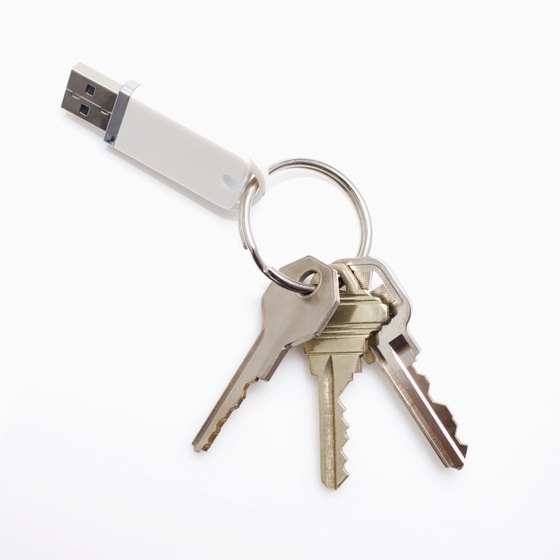
Apple products are notorious for their user-friendly interfaces, especially when it comes to mounting, working with and ejecting USB memory sticks. If you're the type who's constantly on the go, learning how to utilize a portable USB memory stick for transferring files between your MacBook Pro and other computers is essential. Fortunately, the process is incredibly simple and only takes a few seconds, depending on the file sizes you're working with.

Step 1
Manual Transfer Files To A Mac From A Memory Stick Video
Mount the USB memory stick on your MacBook Pro. Insert the USB drive into one of your USB ports, located on the left side of the palm plate, where your keyboard is. Wait for the USB drive to automatically mount to your MacBook Pro. Once mounted, it will appear as a white icon on your desktop. If you want to rename the USB drive, simply click the icon and type the new name in the text-field.
Step 2
Save files to the USB memory stick. This can be done in two ways. When saving a file in an application, select the USB drive shown in the left sidebar of the 'Save as' dialog window and click 'OK' to save to the USB drive. If you already have a file saved you want to transfer to your USB drive, simply click, drag and drop it into the USB drive icon displayed on your desktop. Once dropped into the icon, a status pop-up window will appear, displaying a bar that tracks the status of the upload. For larger files, this process can take up to a few minutes.
Step 3
Open files saved to the USB memory stick. Open a new 'Finder' window and find the USB drive icon shown in the left sidebar. Click the USB drive icon to display its contents in the main window pane. To open any of the files, simply double-click their icons. If you want to transfer one of the files to your computer, you can click, drag and drop the files from the USB drives directory to your desktop or any of the directories located in the 'Finder' window's left sidebar. Keep in mind you can also access the USB drive's directory by simply double-clicking its icon on the desktop.
Manual Transfer Files To A Mac From A Memory Stick Free
Eject the USB drive from your MacBook Pro. Open a new Finder window and located the USB drive icon in the left sidebar. Click the 'Eject' icon, located to the right of the USB menu item. You can also eject your USB drive by going to your desktop, right-clicking the USB drive icon and selecting 'Eject,' or alternatively, by dragging the USB drive icon into the Trash.
Video of the Day
- Jeffrey Hamilton/Digital Vision/Getty Images